| TYPE: | Industry |
|---|---|
| CO₂ Reduction p.a: | 75,200 kg |
| Installed solar capacity: | 439 kWp |
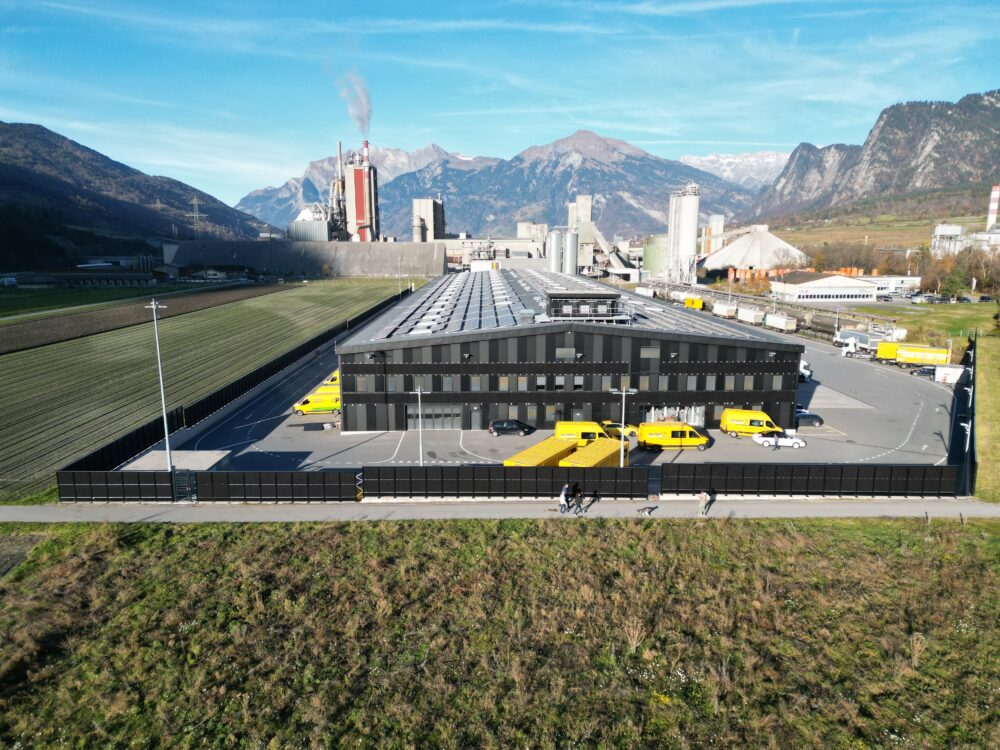
Swiss Post’s logistic center in Untervaz is setting a new benchmark for energy-integrated infrastructure with a first-of-its-kind vertical solar and battery system developed by enshift. By transforming building façades and site perimeters into active energy assets and combining them with large-scale storage, the site moves beyond conventional rooftop solar toward a fully optimized, resilient energy system.
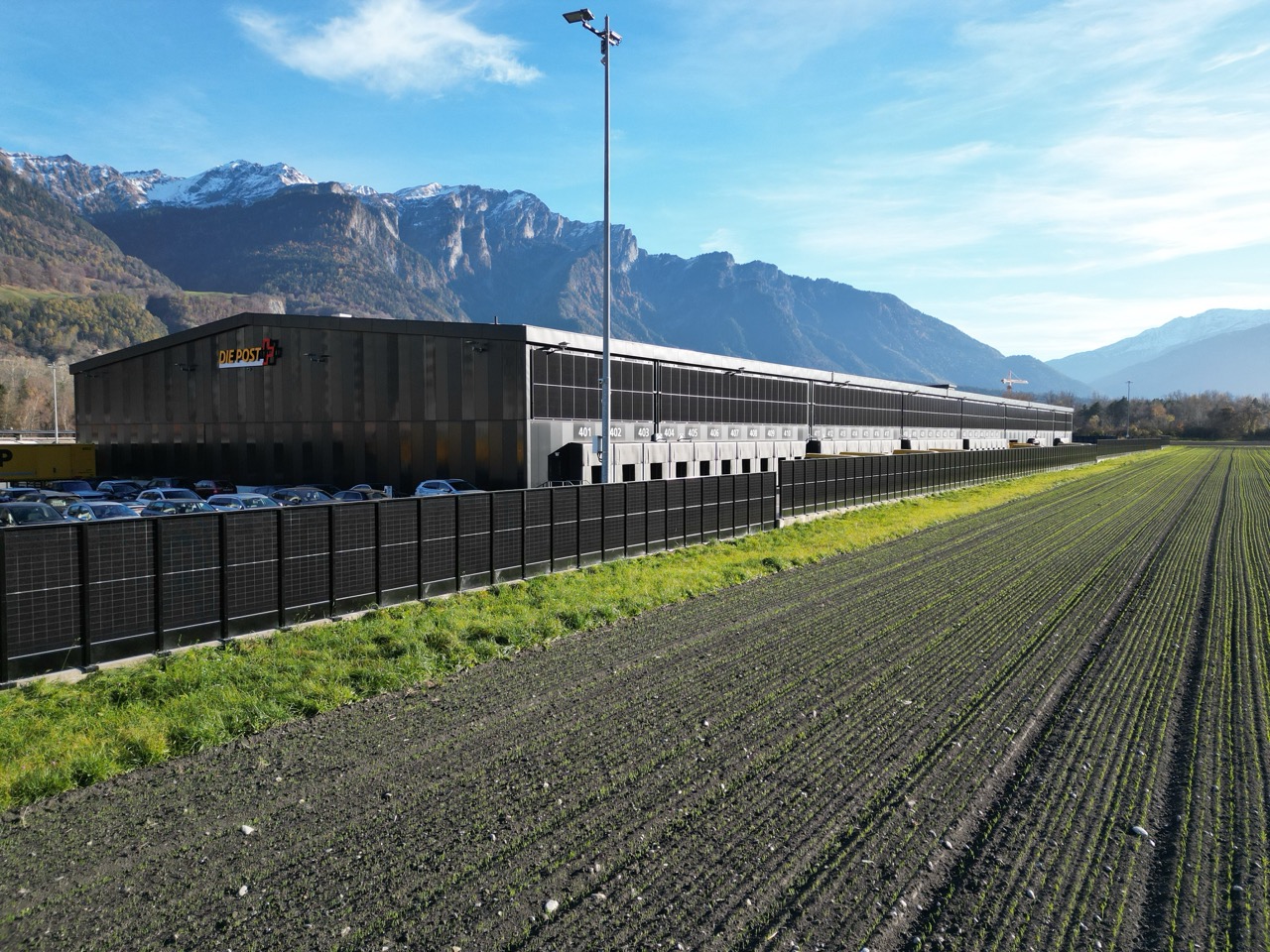
At the Untervaz site, solar generation has been expanded far beyond the roof. Alongside the existing 772 kWp rooftop PV system, a 175 kWp vertical PV fence and a 264 kWp PV façade have been added, turning previously unused surfaces into productive power plants. Clean electricity is already being generated and consumed on site, while a 1 MW / 2 MWh Battery Energy Storage System (BESS) forms the backbone of the overall system. The battery enables intelligent use of locally produced energy by storing surplus power and releasing it during peak demand or grid constraints. Full system operation will begin in January 2026, providing dispatchable power, improved resilience and a platform for advanced energy optimization across the site.
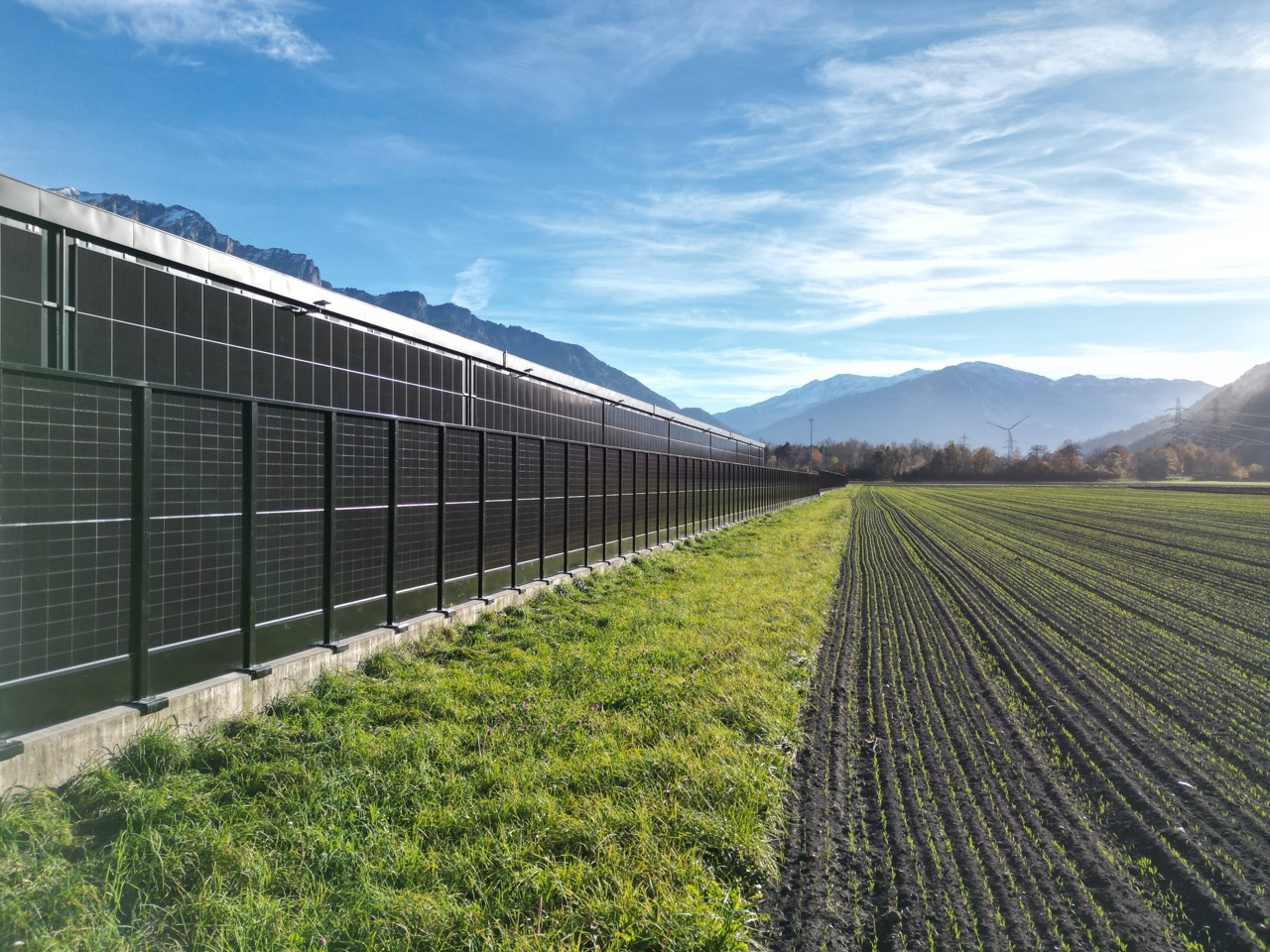

The project combines horizontal and vertical PV installations to maximize energy yield across the entire site. Rooftop, façade and fence-mounted systems work together to generate clean electricity throughout the day, while integrating seamlessly into the existing infrastructure.
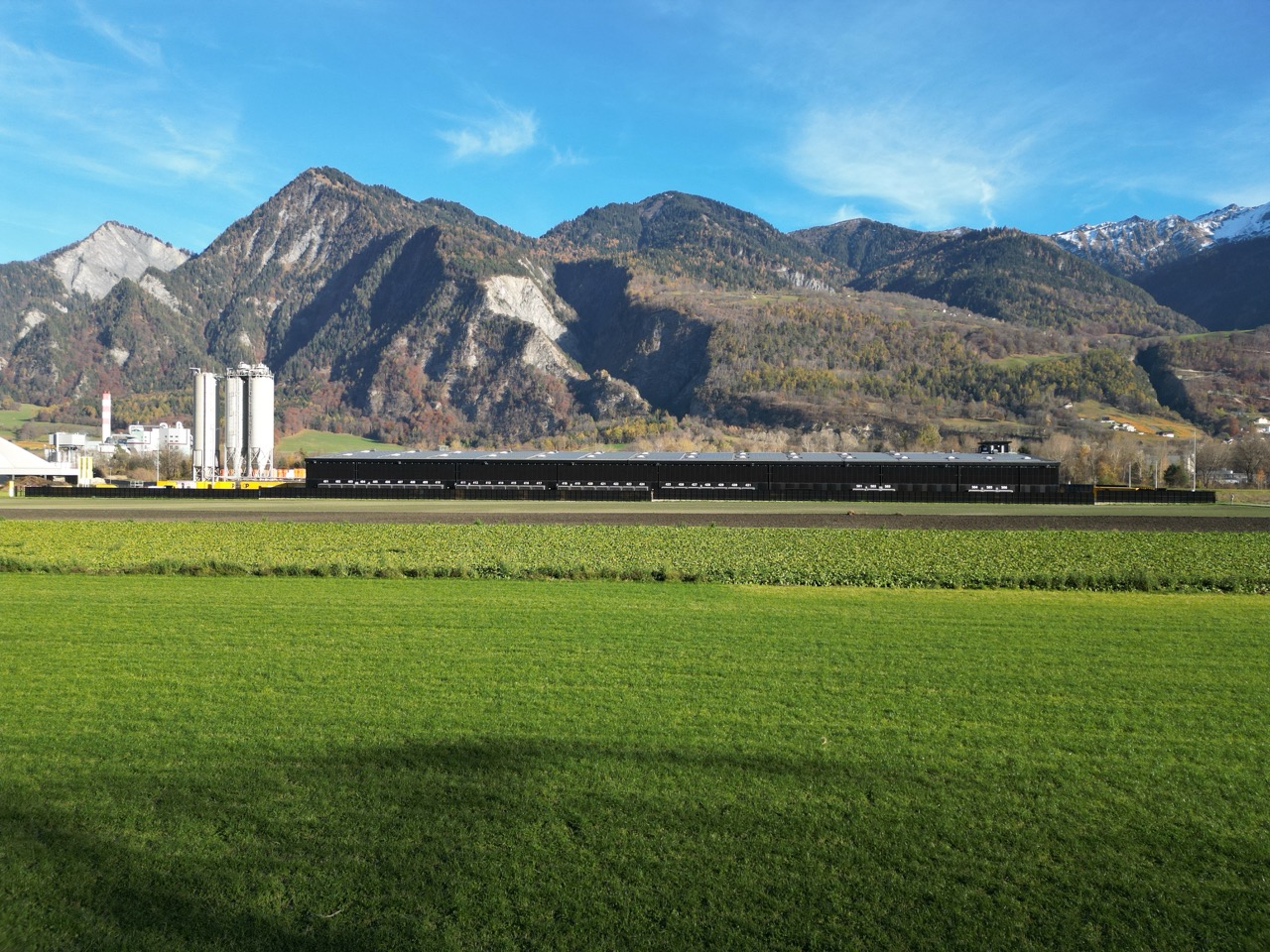

The 1 MW / 2 MWh BESS (Battery Energy Storage System) converts solar generation into a controllable energy resource. It stores locally produced power, stabilizes supply during demand peaks and grid fluctuations, and enables peak shaving and future participation in flexibility markets.
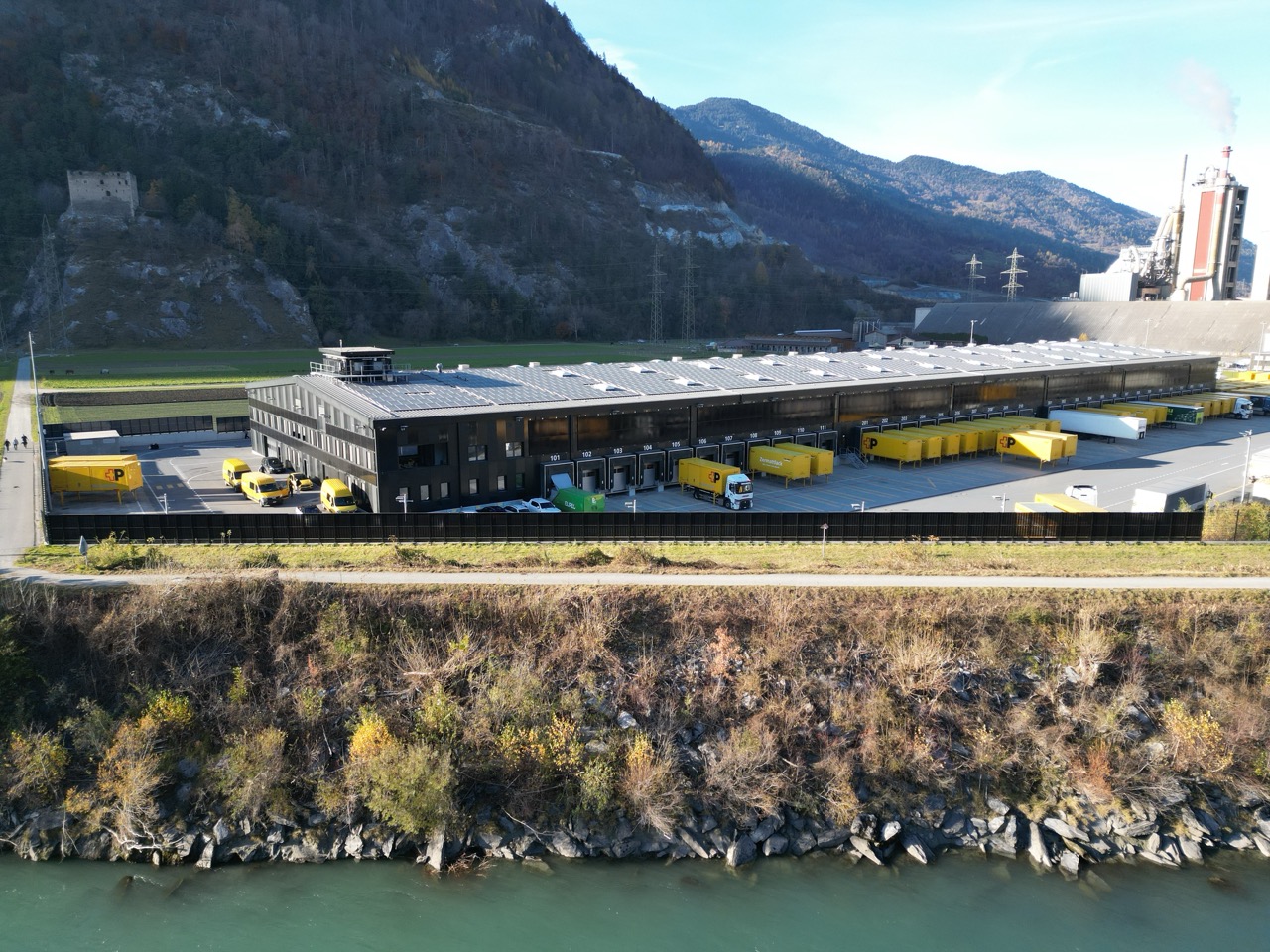

An integrated energy management system optimizes production, storage and consumption in real time. In the first phase, the focus is on maximizing on-site self-consumption, with future control of 21 EV charging stations planned for 2026 to further align mobility loads with solar generation.